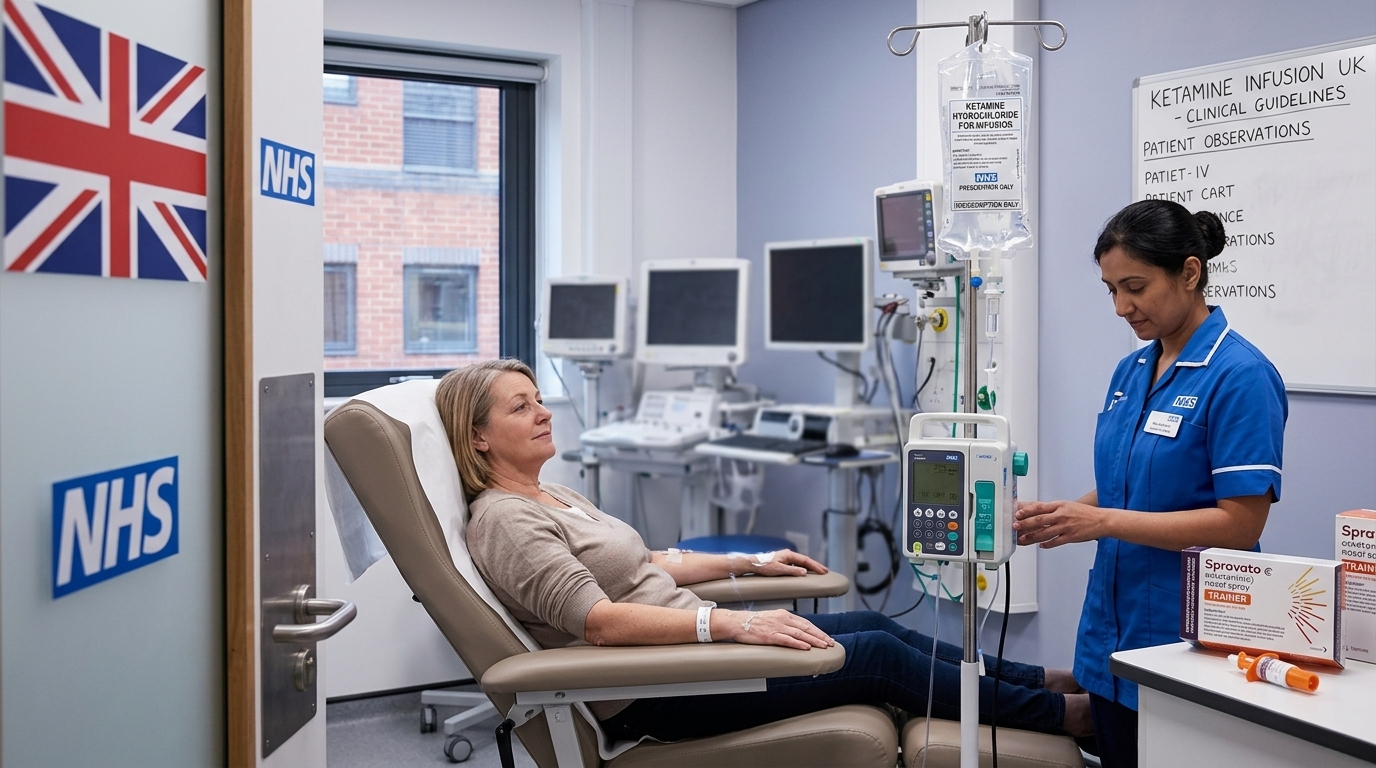
Ketamine infusion therapy in the UK is often mentioned as one of the available treatment options for patients suffering from severe or treatment-resistant depression. Ketamine is administered directly into the bloodstream by the slow injection of the drug through a vein at the infusion sites, which are usually monitored by healthcare professionals. Ketamine has been used in medicine for a long time, primarily as the anaesthetic and pain reliever. There is a difference in the use of it to treat depression and it is typically regarded as off-label in the UK.
Some research has suggested that following an infusion of ketamine for depression, an immediate shift in symptoms happens, which has led to its increasing popularity in the treatment of depression. But, this is not a universal solution. The best time of treatment is also still unknown, as is the long-term impact of treatment and who will be most likely to benefit. In January 2026 NICE assessed this evidence again and highlighted the following preliminary concerns.
What Does Ketamine Infusion Therapy Mean?
Ketamine infusion therapy involves the IV administration (injection into the veins) of ketamine. Medicine does not get into the blood quickly and is only given for a specified duration, or timetables.
The dosage and duration of the treatment will vary, depending on the reason for administering ketamine. While ketamine is not licensed for use in the UK as an injection, it is licensed as an infusion medicine, for example in anaesthesia. In Europe, they are not approved for treating depression.
If the drug is suggested for depression, it will be administered differently and under the close supervision of a medical specialist. The approach to the treatment should not be strictly a depressive approach, but be based on the person’s mental and physical health.
Medical Uses of IV Ketamine
There is evidence of the use of IV ketamine in medicine. It’s reported to be an anaesthetic when used in diagnostic and surgical procedures in the UK. Depending on the procedure and clinical situation it can be administered by infusion or injection.
In special medical situations, Ketamine also may be involved in pain control. The use is dependent on the patient, type of pain and the assessment of the healthcare team.
This is crucial because medical ketamine is not a single treatment, it is a process. The dosage, purpose of the treatment and what will be monitored and observed may be widely different.
Ketamine should also be distinguished from the anti-depression studies where doses are lower but where there can be harmful side effects. The goals and treatment for the two uses are different.
Ketamine Infusions for Depression
Ketamine has shown to be best studied in patients suffering from treatment-resistant depression. IV ketamine has been shown to have a rapid antidepressant effect in some clinical trials. The evidence, however, does not have answers for all questions concerning its use in routine clinical practice.
People who do not get better after proper treatment may be having treatment resistant depression. Any medication taken in the past, psychological treatment, symptoms of the person and other health concerns will be taken into consideration by a specialist before other consideration is given to treatment.
Ketamine is not the quick treatment alternative for depression. NICE’s existing guidance offers guidance on the treatment options, and suggests the next steps might include discussing previous treatment, the person’s physical health, mental health, or their needs.
Licensed Versus Off-Label Use
It is relevant to point out that the difference between on-label and off-label use is quite significant. Ketamine has been licensed for use as an anaesthetic and some medical conditions in the UK. It cannot be used to treat depression. Oxford Health NHS Foundation Trust also states that ketamine for depression is an unlicensed medicine.
The term “off-label” does not imply that a medicine will be available illegally or that a specific medicine may not be used for a particular purpose. It occurs when a clinician is prescribing an approved medicine in a manner that is not covered in its specified conditions of use.
The doctor has to consider, however, if the treatment is appropriate for the specific patient. They should describe why it is being proposed, some of what is understood about the potential benefits and risks, and alternatives to it.
What Happens Before Treatment?
A patient needs a proper medical assessment prior to undergoing a ketamine infusion. This can include questions about depression, previous treatments, other mental health conditions, physical health, current medicines and substance or alcohol use.
The clinician can take a look at a patient’s blood pressure and other standard health parameters. This will assist in determining if it is appropriate and if additional precautions are necessary.
Patients should be given the opportunity to ask questions before consenting to treatment. They should be aware of the reasoning behind the use of ketamine, and what monitoring is to occur.
Drug toxicity is particularly important here for ketamine due to effects on blood pressure, heart rate and the central nervous system. Additionally, there are warnings that a product may have cardiovascular and respiratory effects, depending on the dose and speed of product delivery as noted in the product information from the UK.
Monitoring During the Infusion
Ketamine infusion therapy should be done under proper medical supervision. The specific monitoring regimen may differ depending on the type of treatment and characteristics of the patient.
Staff are able to check blood pressure, pulse, breathing and a person’s level of awareness. They can also inquire how the person feels while they are having the infusion.
While under the influence of ketamine, some people have strange feelings. This may result in dizziness, alterations in perception and numbness. It’s one of the reasons why you want to monitor.
KETAMINE should be administered by or under the supervision of experienced medically-qualified anaesthetists and should only be used in hospital for the licensed use of anaesthetic as part of a resuscitation kit.
Possible Side Effects
There are potential side effects associated with the use of Ketamine. Some may occur with or immediately after infusion.
Possible effects include:
- Dizziness
- Nausea or vomiting
- Increased blood pressure
- Increased heart rate
- Changes in perception
- Confusion
- Drowsiness
- Feeling detached from surroundings
- Unusual dreams or hallucinations
The actual impact may vary according to dose, rate of administration and patient variables. In addition to this UK medicine information states that respiratory depression may occur, especially at higher doses and when taken quickly.
Other concerns with repeated or frequent use of ketamine may include issues with bladder or urinary tract involvement. This is why continuous treatment should be reviewed by healthcare professionals, and should not be repeated without close medical supervision.
Private Clinics in the UK
In the United Kingdom, specialist services may offer Ketamine treatment for depression as part of their treatment options, some of which are privately available. Some providers, regions may have access.
They should not only look for claims of quick results or success rates in a service, but the patient should also hesitate to pick a service on that basis. It makes more sense to know how the service evaluates patients, who does the treatment and how much follow-up is provided.
The patient should also inquire about what will happen if the treatment fails. Treatment should take into account the individual’s overall mental health issues, not only their infusion.
Questions to Ask a Clinic
There are some questions that patients should ponder when considering an infusions clinic in the UK to receive ketamine infusions:
- Why should I be considered for Ketamine?
- Has anyone else tried these before?
- Is the treatment being used off-label?
- Who will verify me before the treatment?
- Who is going to administer the infusion?
- What sort of monitoring will be conducted?
- What are the side effects of this?
- If I start to feel unwell while being treated?
- How will my progress be measured?
- How many times will I receive reviews?
- If ketamine doesn’t work, why?
- Are there alternate treatments?
These questions may assist a patient in understanding the treatment prior to making a decision.
Is Ketamine Available on the NHS?
Ketamine is not available everywhere in the UK to be used in the NHS to treat depression. Treatment for treatment-resistant depression has been available with some specialist NHS services offering ketamine treatment under local arrangements. For instance, Oxford Health NHS Foundation Trust says ‘Ketamine is off label for depression but is available as a specialist service by a local team’.
However, this doesn’t mean that everyone should receive an IV ketamine treatment for depression within the NHS. Referral pathways, and service availability and arrangements may vary locally.
The current NICE guidance for depression does not prioritise the use of ketamine for depression. A January 2026 NICE surveillance review found evidence of a rapid antidepressant effect in small trials but highlighted uncertainty around treatment protocols, effectiveness and long-term safety.
NICE’s guidance also does not recommend use of esketamine nasal spray for people who have treatment resistant depression.
Patients should therefore consult their GP or mental health professional about their options for treatment, and if they have access to a specialist referral.
Key Takeaway
Ketamine infusion therapy is sometimes an option for individuals who do not respond to other forms of depression treatment, but not for everyone with depression. It is “off label” and therefore should be used with caution and with proper medical supervision for depression in the UK. Before starting patients should be well aware of both the benefits and the side effects.
References
https://www.nice.org.uk/guidance/ng222
Evidence last checked: 28 September 2026